
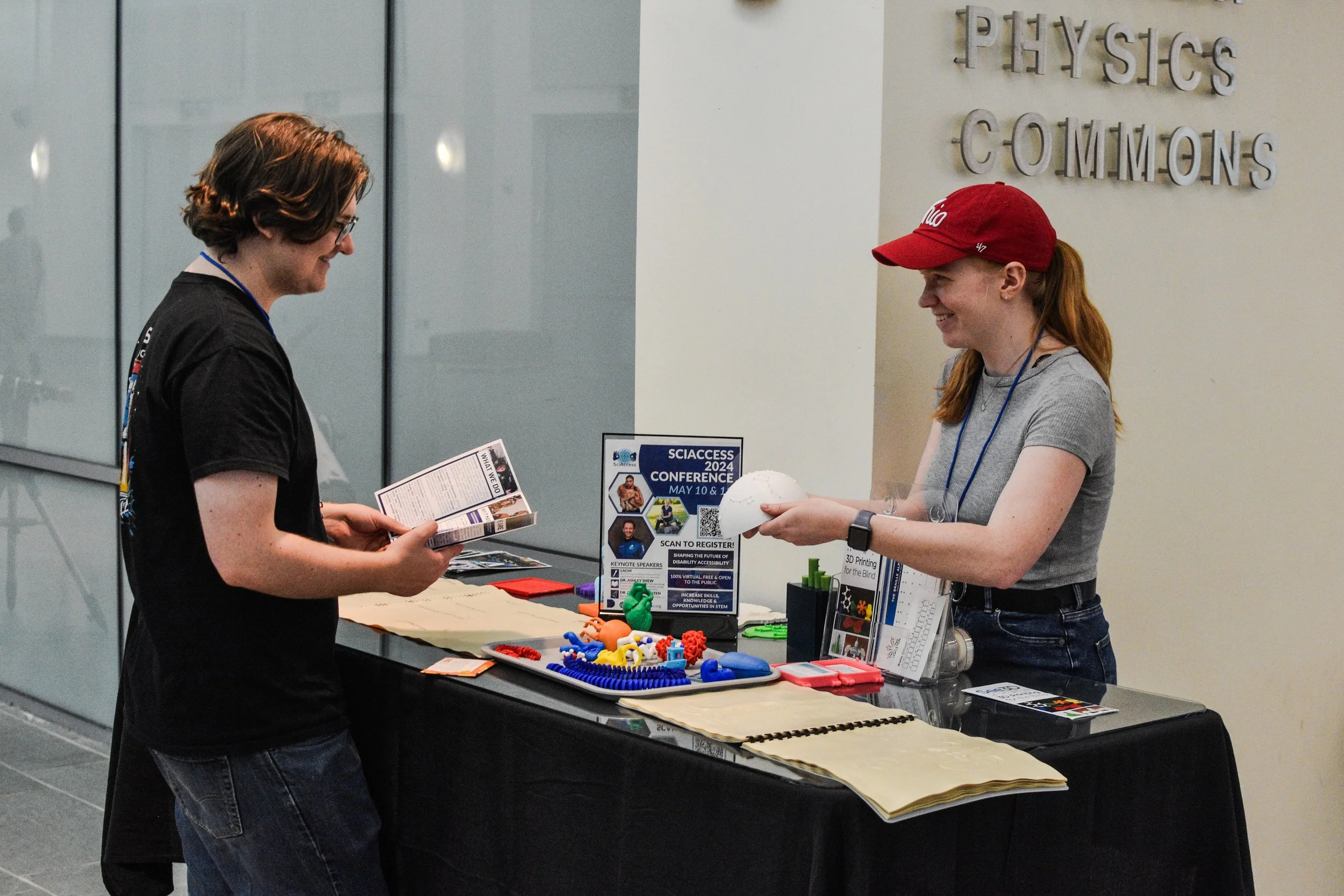
STEM Outreach & Education
Through programs such as Solstice Outreach and the Zenith Mentorship Program, SciAccess has expanded access to STEM learning through immersive astronomy education, student mentorship, and outreach designed to support learners from historically excluded communities.
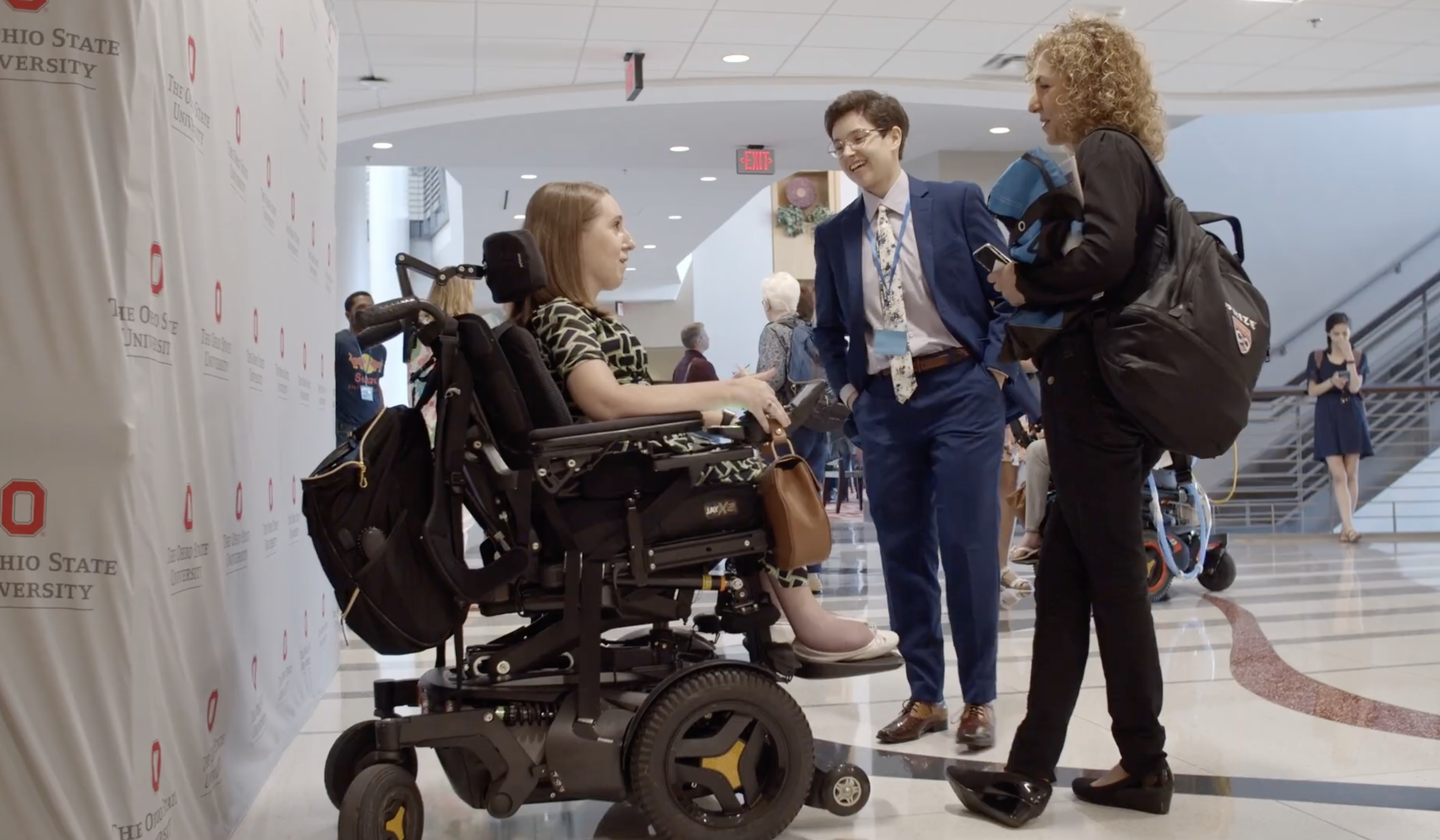
Community Development
Through the SciAccess Conference and SciAccess Working Group, SciAccess has created spaces for disabled scientists, students, educators, advocates, and allies to connect, share expertise, and strengthen the accessible STEM community.
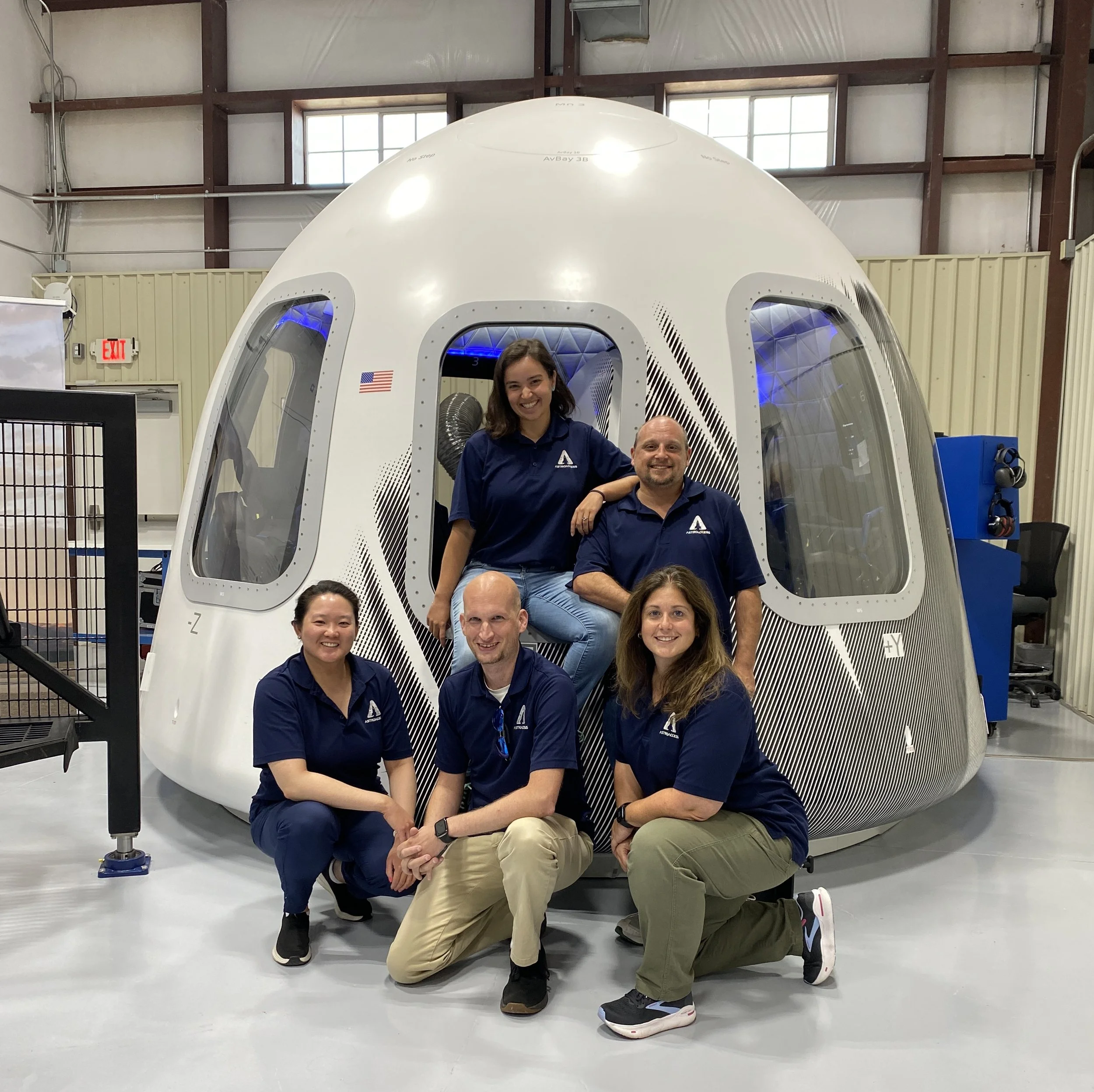
Accessibility Consulting
SciAccess works with organizations, institutions, and mission teams to improve accessibility in STEM, aerospace, and education through advising, best-practice development, inclusive event planning, and accessibility-centered program design.
Read more about each below…
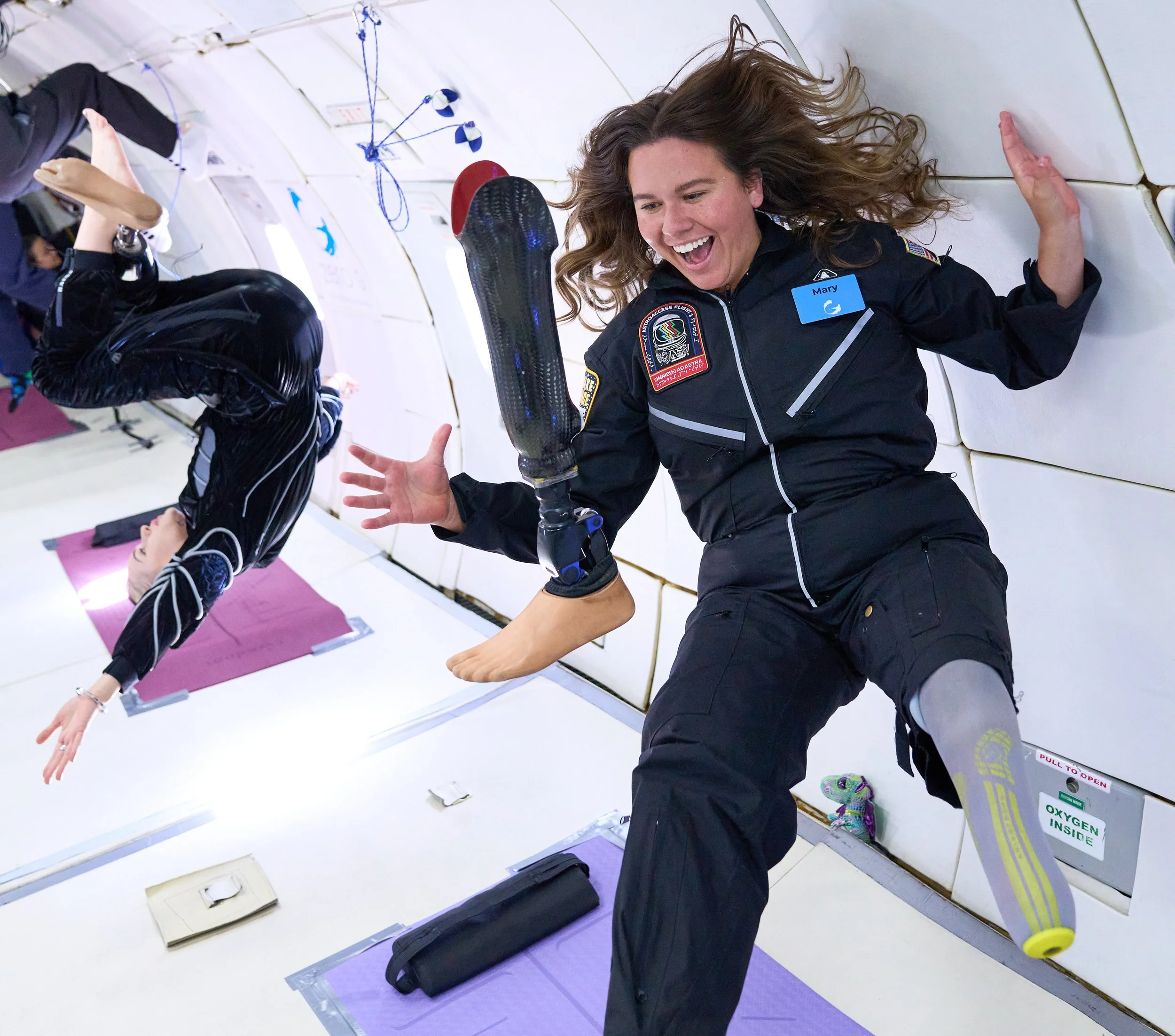
Space Accessibility Research
The AstroAccess research program advances research on accessibility in space environments, including microgravity, analog missions, and spaceflight design, with disabled researchers leading investigations into more inclusive futures in space.
OUR PROGRAMS AND INITIATIVES
SciAccess programs advance disability inclusion across STEM education, space accessibility research, community-building, and accessibility consulting. Explore our current initiatives and past programs working to make science and space more accessible for all.
THE SCIACCESS WORKING GROUP
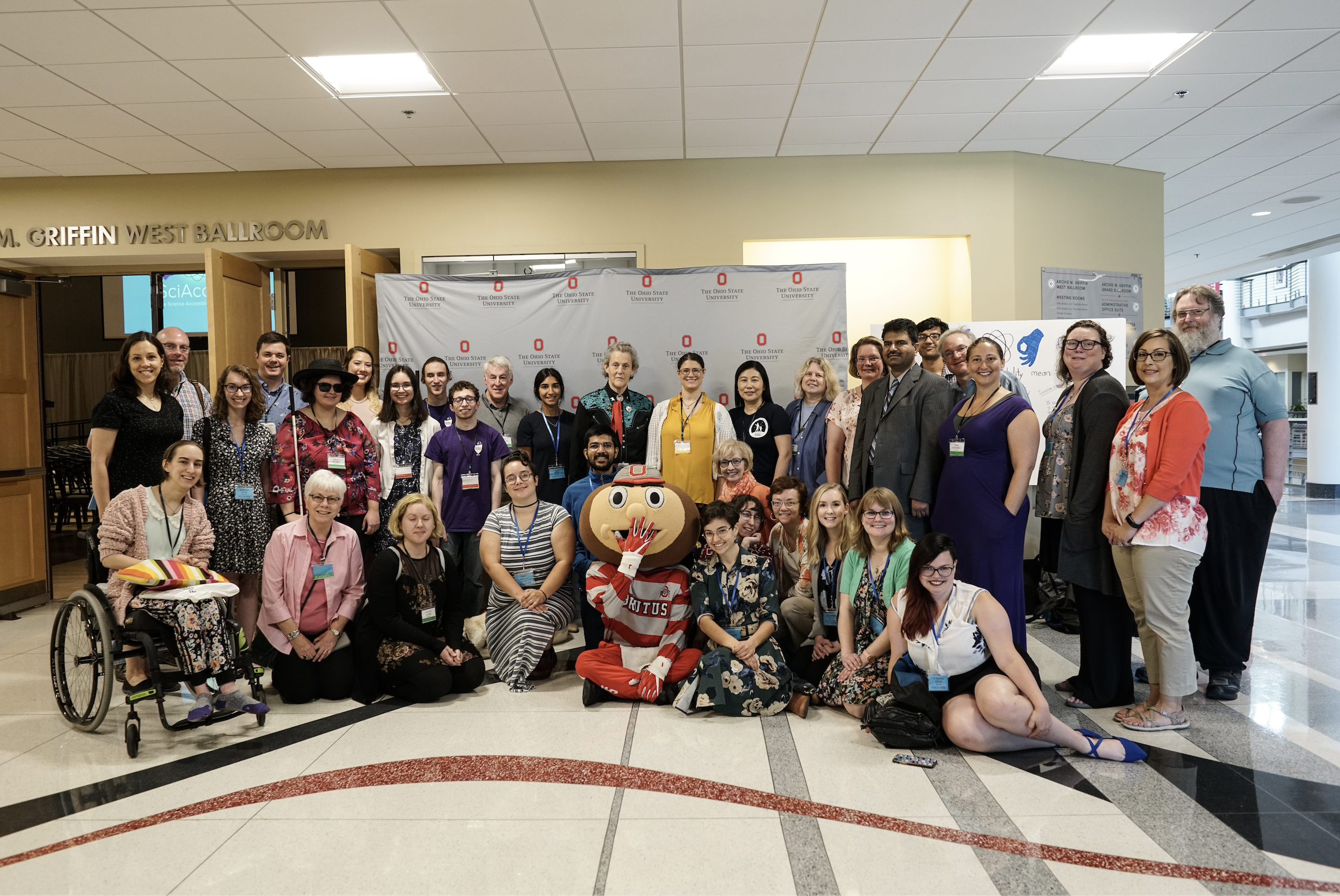
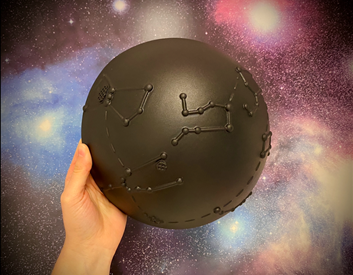
The SciAccess Working Group is an international collective of professionals that met monthly to share best practices in accessible STEM research, education, and outreach. Working Group sessions featured ASL interpreting and CART captioning, allowing the meetings to remain fully accessible to all members, regardless of disability. The Working Group met between 2020-2021 culminating in the SciAccess 2021 Conference.
COMMUNITY
THE SCIACCESS CONFERENCE
SciAccess began through the SciAccess Conference, launched in 2019 to bring together disabled researchers, students, educators, and STEM professionals from around the world. From internationally renowned disability advocates to neutrino scientists in Antarctica to astronauts participating live from the International Space Station, this platform has equipped disabled students with exceptional opportunities to imagine their future in STEM.
SOLSTICE OUTREACH
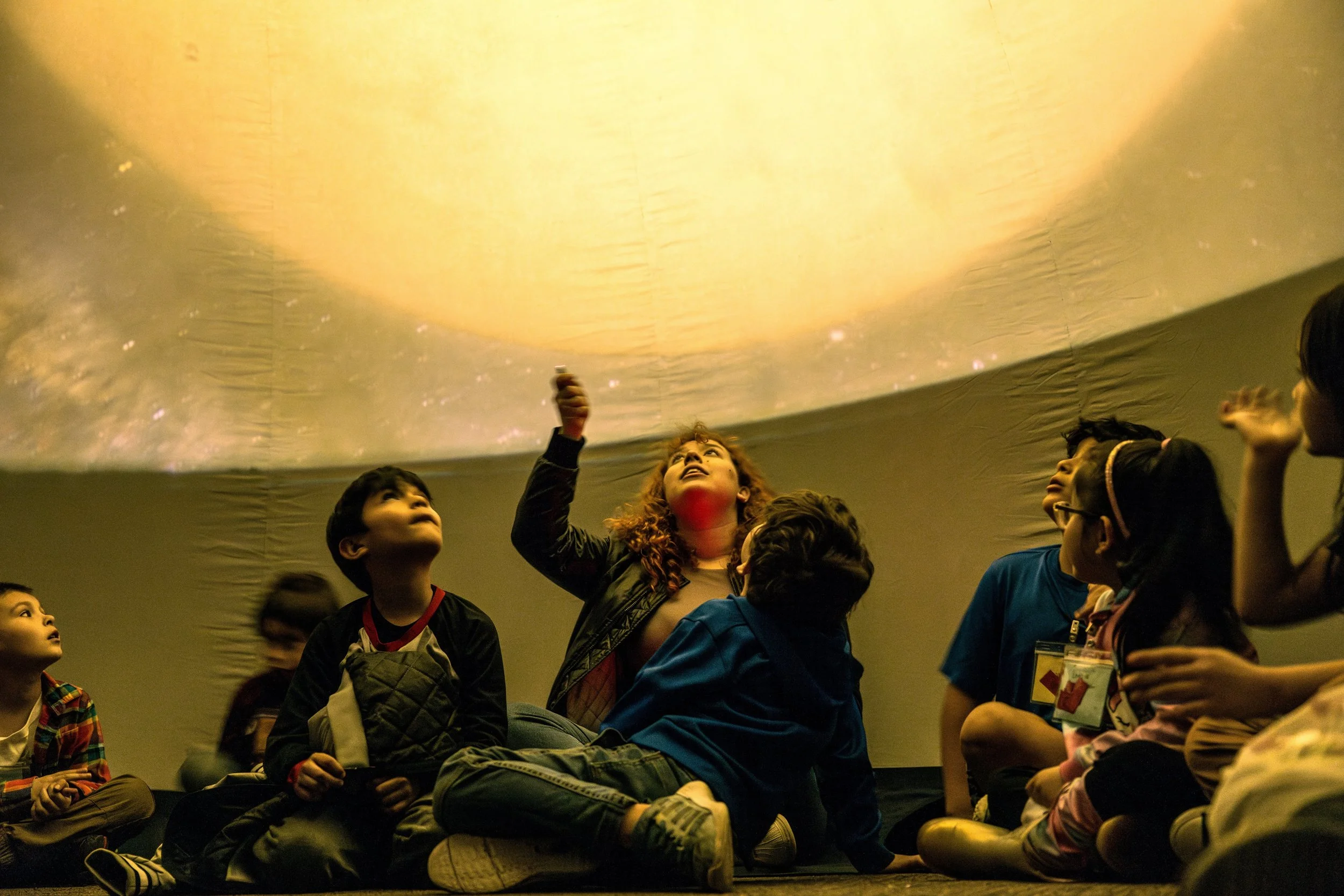
Founded in 2024 through the Ohio State Buckeye President’s Accelerator, Solstice Outreach uses a state-of-the-art portable planetarium system to bring immersive, engaging astronomy outreach in the form of planetarium shows to underserved communities. In addition to serving K-12 schools around Ohio, Solstice provides subsidized and cost-free programming to low-income and under-resourced communities. Since its launch, Solstice has served over 5,000 students and community members.
THE ZENITH MENTORSHIP PROGRAM
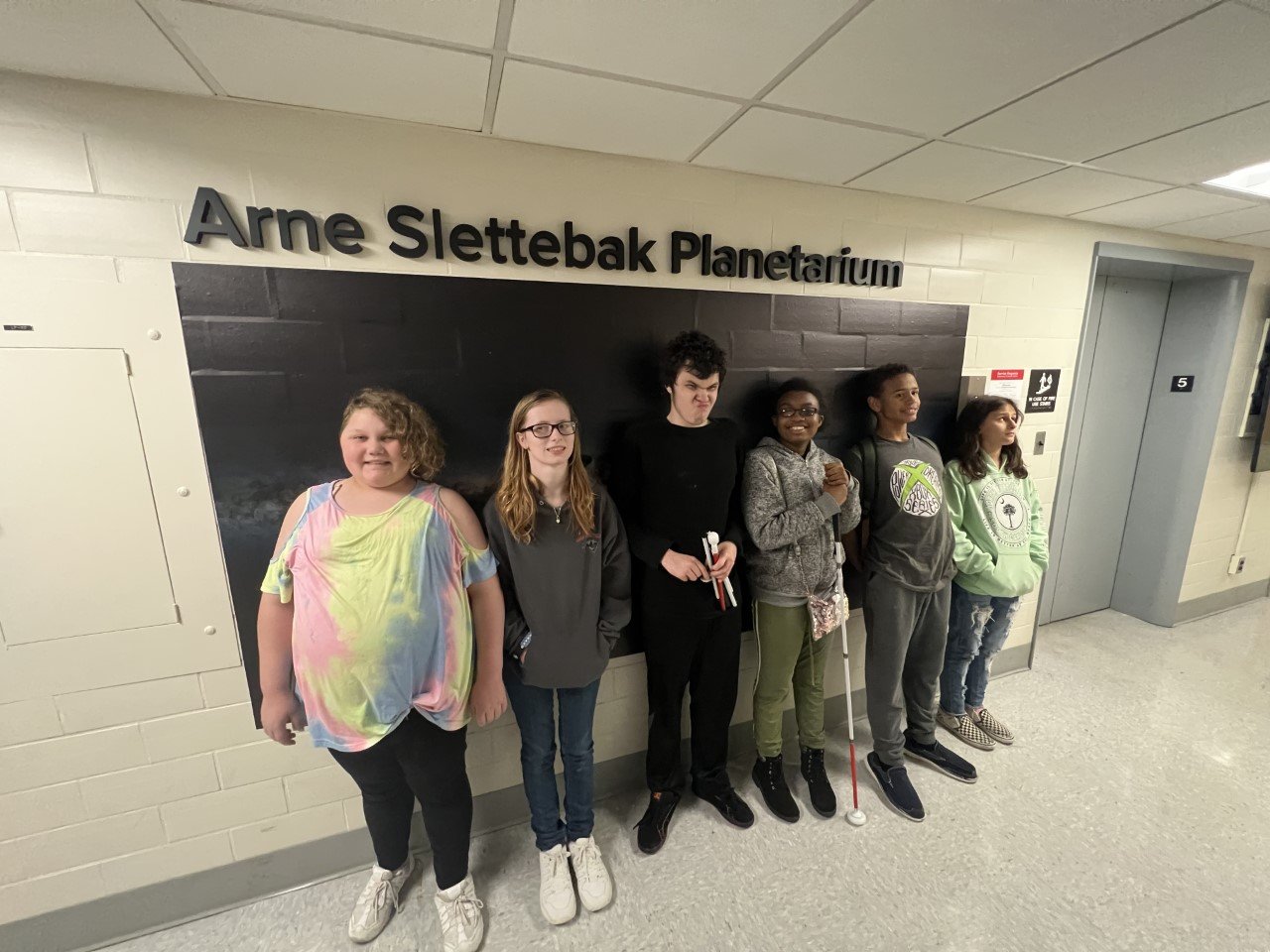
A mentorship program run in partnership with Ohio State University and the Ohio State School for the Blind that directly addresses the lack of accessible space science outreach resources for blind and low vision (BLV) students. Zenith focused specifically on BLV high school age individuals who are interested in space technology. The mentorship program spanned five cohorts of students between 2020 and 2024 before concluding.
EDUCATION &
OUTREACH
SPACE ACCESS
RESEARCH
ASTROACCESS
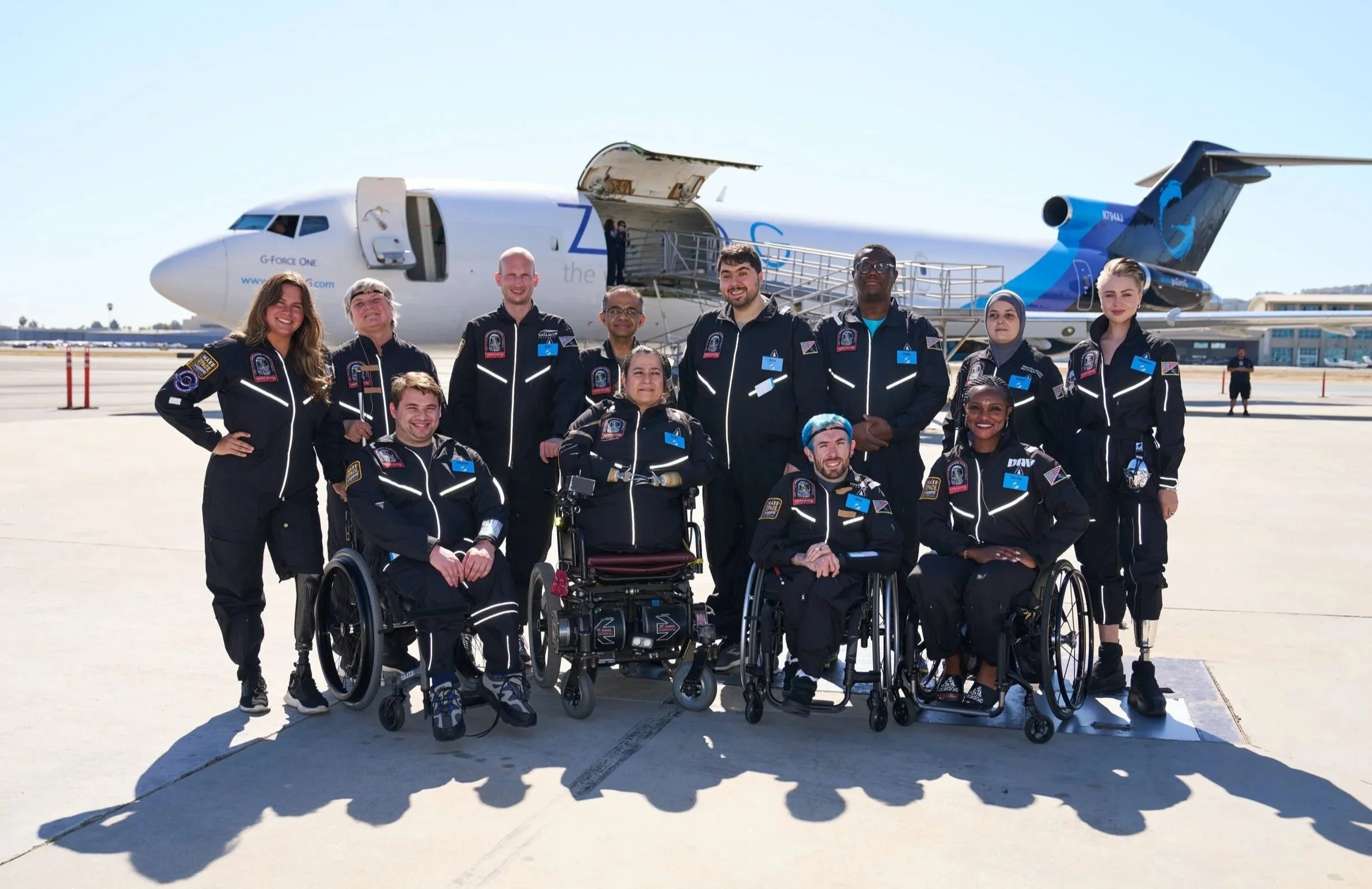
The mission of AstroAccess is to advance accessibility in space research, habitat design, and astronaut training, paving the way for disabled astronauts while improving space systems for all explorers. Since its founding in 2021, AstroAccess has conducted seven microgravity missions in which researchers with disabilities design and perform demonstrations onboard parabolic flights, as the first step in a progression toward flying a diverse range of people to space. These “AstroAccess Ambassadors” come from all over the world to experience weightlessness, test microgravity accessibility tools, and investigate how physical environments onboard spacecraft can be designed so that all astronauts, regardless of disability on Earth, can work and thrive in space.
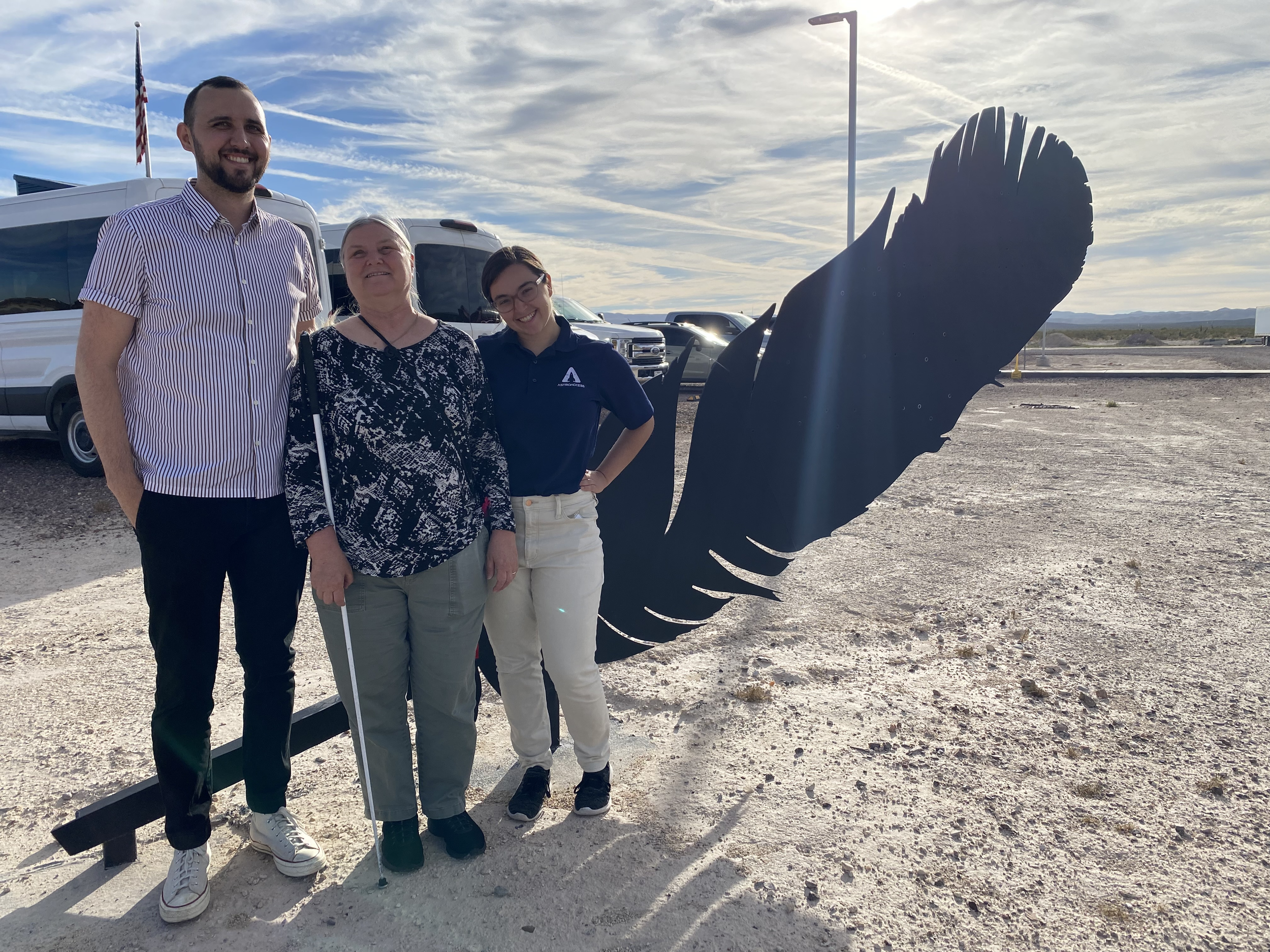
The work of AstroAccess has led to actionable findings with direct relevance to spacecraft design, crew safety protocols, and mission planning. Our team has consulted with NASA and multiple commercial space companies on aerospace accessibility, including collaborating with Blue Origin to improve accessibility for New Shepard, the spacecraft that flew AstroAccess Ambassador Michi Benthaus—the first wheelchair user in space—in December 2025.